
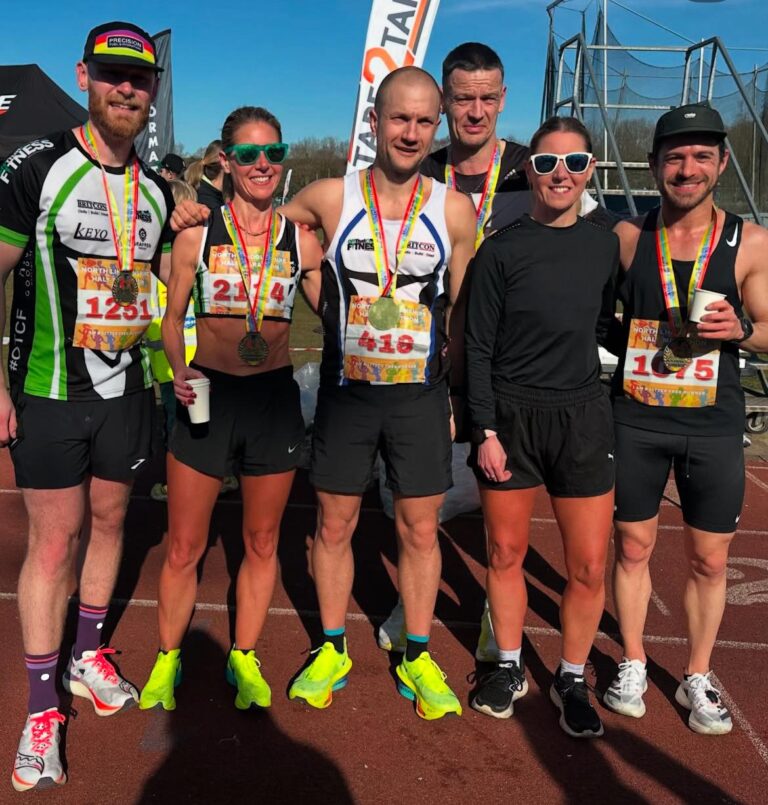
We are very grateful to Steve Clark, head coach and owner at Off That Couch Fitness for taking the time to share his vast knowledge with us. You will find this article interesting and informative.
As the head coach and owner at Off That Couch Fitness and a keen runner/triathlete myself something I see many runners and triathletes suffer with as the years go on is keeping a positive mindset year after year. Positive Mental and physical mindset/toughness are key components in sustaining performance and motivation in sports year after year and this is something I see my athletes start to struggle with as the years training and competing roll on. Both are essential for overcoming challenges, injuries, and the mental fatigue that comes with the constant grind of training and competition. Here’s a breakdown of both aspects:
- Mental Toughness
Mental toughness is the ability to stay focused, confident, and positive in the face of adversity. It includes:
- Resilience: The ability to bounce back from setbacks, whether it’s a loss, injury, losing a key training partner or period of poor performance. Building resilience involves learning from failures and viewing them as opportunities for growth rather than as permanent setbacks.
- Focus: Maintaining concentration on the task at hand and not getting distracted by the past, future, or external pressures. This helps athletes stay in the moment and perform consistently under pressure. Sometimes it’s nice to take a break from things like Strava and social media and put the focus solely on you rather than what everyone else is doing.
- Self-Belief: Confidence is crucial in maintaining consistent performance. Athletes need to believe in their skills and abilities, even when faced with obstacles or when they’re not seeing immediate results. Pocket those good day memories when something went really well and use it in a positive way.
- Stress Management: Sports can create intense pressure, and mental toughness helps athletes manage that stress effectively. Techniques like mindfulness, visualization, and relaxation exercises help to stay calm and collected.
- Goal Setting: Athletes who set clear, achievable goals are more likely to maintain motivation over the long term. They can track their progress and adjust their strategies as needed to stay on track.
- Physical Toughness
Physical toughness involves the body’s ability to endure stress, fatigue, and physical demands over long periods. It’s not just about strength or endurance, but also about:
- Adaptation: Consistent training helps the body adapt to the stresses of sport. Over time, this leads to improvements in endurance, strength, and speed, allowing athletes to keep performing at your highest level year after year.
- Recovery: Understanding the importance of recovery is crucial. Overtraining without proper recovery can lead to burnout, injuries, or mental fatigue. Recovery techniques such as rest, sleep, nutrition, physiotherapy, and stretching is essential.
- Injury Prevention and Management: Athletes need to be proactive about preventing injuries through proper training techniques, warm-ups, and injury prevention exercises. When injuries occur, managing them and understanding when to rest and when to push is key to longevity in the sport. If you solely focus on running as your sport, try incorporating some Swimming or Cycling into your training plan this will help aid recovery and limit the risk of an overuse injury.
- Nutrition: Proper nutrition fuels the body and supports recovery. Maintaining a balanced diet that provides the necessary vitamins, minerals, proteins, and carbohydrates is essential for energy, recovery, and muscle repair.
- Strength and Conditioning: Building strength, endurance, flexibility, and agility through specific training routines helps athletes avoid injury and ensures they can sustain peak performance over time. As runners or Triathletes is easy to get focused on more miles but by adding a Strength & Conditioning session or two into your training plan will help.
- Long-Term Motivation
To keep going year after year, athletes need to have sustainable sources of motivation I’m currently in my 25th year racing in multisport and still confident and forever motivated for improvements:
- Intrinsic Motivation: When athletes are driven by passion for the sport itself, it’s easier to maintain a long-term commitment. This means enjoying the process of training and competing, rather than focusing solely on results.
- External Motivation: Goals, accolades, and external rewards (like sponsorships or team success) can also provide motivation. However, relying solely on external rewards can lead to burnout, so it’s important to strike a balance.
- Support Systems: A strong support system, including coaches, teammates, family, and friends, helps to keep athletes motivated and accountable. These people can offer encouragement and help athletes stay on track during tough times at Off That Couch Fitness this is something we aim to offer all our athletes and members.
- Developing Mental and Physical Toughness
- Training and Routine: Establishing a consistent, structured routine is critical for building both mental and physical toughness. Consistency builds discipline and keeps athletes focused on long-term progress.
- Mindset: Cultivating a growth mindset helps athletes see challenges as opportunities. Believing that effort leads to improvement can help athletes overcome setbacks and stay motivated year after year.
- Visualization and Mental Rehearsal: Successful athletes often use visualization techniques to mentally rehearse their performances. This strengthens mental focus and helps athletes deal with the mental pressure of competitions.
- Mind-Body Connection: Techniques like yoga, Pilates, or mindfulness training can help strengthen both mental and physical resilience by teaching athletes to tune into their bodies, manage stress, and improve overall well-being.
In summary, mental and physical toughness aren’t just about grit in the moment, but about sustained, consistent effort across the years. By focusing on resilience, mental clarity, physical recovery, and strong goal setting, you as an athlete can continue to perform at a high level and endure the challenges that come with long-term commitment to your sport.
Steve Clark
Details of Tape2Tape Upcoming Events